
HOW TO SOUNDPROOF A BEDROOM WINDOW
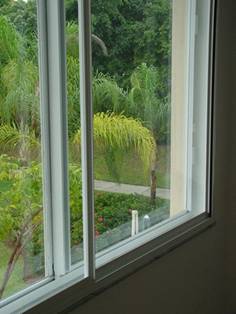
Basic DIY instructions on soundproofing a window
The most effective way to easily soundproof a window regardless of whether it is single or double glazed is to introduce an additional pane that should be as thick as possible and/or laminated (See left). A sealed air gap between the first pane(s) and the secondary double glazed window provides a very efficient seal and works far better than any normal D.I.Y solution yet still allows light to enter the room. If a more temporary solution is required and light is of no concern or do not want to bother with additional secondary glazing then a removable window plug can be constructed using our sound absorbing materials.
PLEASE NOTE THAT THIS OPTION WILL REMOVE ALL NATURAL DAYLIGHT FROM THE ROOM WHEN IN USE!
A combination of a sound barrier material and sound absorbing foam will be required to block and absorb any external noise coming in. The best way to achieve this is to use an MDF board of 6 – 12mm depending on the size of the window that fits neatly within the window frame and adhere to this the sound insulation outlined below. A thicker board may be required for larger windows.
Instructions
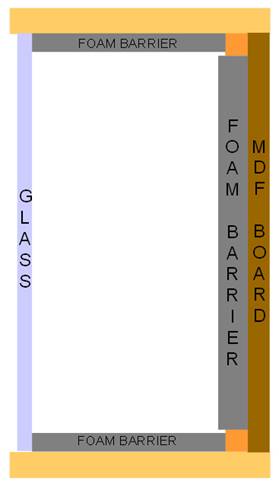
1) Add two battens to the top and bottom of the inside of the window Recessed as shown in the illustration.
2) Bond film faced sound absorbing foam to the top and bottom of the window Sill between the battens and the window.
3) Fix sound the same sound absorbing foam to the inside face of the MDF panel and ensure when it's butted up against the battens it provides a snug fit. The board is then held in place using suitably sited catches..
4) Improve the performance by using the more efficient foam barrier Composite.
5) Alternatively, cut the MDF to a size slightly smaller than the window reveal and cut the sound absorber slightly larger than the reveal. The plug when it is assembled can then be pushed into the reveal when required and will be a tight fit that will stay in place without any further fixings.
6) If a more permanent solution is required, MDF panels can be used to create shutters that can be hinged to close over the window. This would be particularly useful for larger windows such as those found in pubs and clubs. Soundproof shutters can be created using thicker 25mm MDF with the film faced sound absorbing foam fixed onto the inside faces when closed so that the foam is facing the window. It is important they are sealed when closed and for this our 3mm Resilient Sealing Tape can be used.
Written by Stephen Young
© Sound Service (Oxford) Ltd. 2005

